

The Different Types of Allen Wrenches (Hex Keys) and Their Uses
March 19, 2026
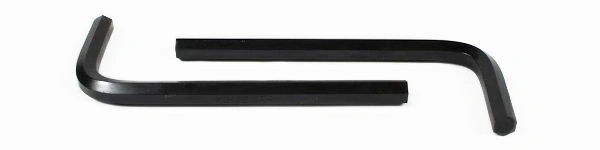
Allen wrenches, also known as hex keys, are one of those tools you don’t think about until they fail you. A screw won’t budge. The socket rounds out. The key twists just enough to make you nervous. Suddenly, the smallest tool in the kit is the biggest problem in the room.
What usually gets blamed is the tool itself. In reality, it’s often the head style, the size, or how it’s being used. Allen wrenches aren’t fragile. They’re specific. When the head shape and situation line up, tightening feels smooth and boring. When they don’t, everything goes sideways fast.
This guide breaks down how Allen wrenches (hex keys) actually behave in the real world, where each one shines, and where they quietly cause damage when used the wrong way.
Introduction to Allen Wrenches (Hex Keys)
Allen wrenches go by several names. You’ll see them called Allen keys, hex keys, or hex wrenches, but they’re all the same hand tool that shows up everywhere. Furniture kits, bikes, machinery guards, gym equipment, enclosures, basically, if it has an internal hex socket, these tools are usually involved.
If you’re trying to understand the types of Allen wrenches and when to use them, this guide helps clarify everything. Choosing the right hex key head isn’t about preference. It affects grip, torque, safety, and whether the fastener survives the job.
Most stripped sockets don’t come from bad hardware. They come from small mismatches that add up.
What is an Allen Wrench/Hex Key?
An Allen wrench/hex key is a compact tool with a hexagonal tip designed to fit inside a matching socket in a screw or bolt. That geometry creates six contact surfaces, which spreads force evenly and allows more torque than many traditional driver styles.
The internal hex drive was popularized by the Allen Manufacturing Company as a cleaner alternative to exposed heads. Instead of a hexagonal head sticking out, the drive sits inside the fastener, reducing snag points and keeping assemblies compact.
Most people own an Allen wrench (hex key) set without thinking much about what it is. Some bulk options are complete and consistent, while others are a mix of lengths, finishes, and fits. Quality varies widely, even when tools look similar.
Allen wrenches work with a wide range of fasteners, including bolts, screws, and pan head screws that use internal hex sockets instead of external heads.
Different Types of Standard Allen Wrenches (Hex Keys)
Allen wrenches (hex keys) come in a few key styles, each designed for specific tasks. Length, size, and whether the tool is tamper-proof all affect how much torque you can apply, how easily you reach a fastener, and whether the job goes smoothly. This section breaks down the four types we carry and when to use each one.
Short-Arm Hex Keys (Standard Hex Head)
Short-arm hex keys are compact, making them perfect for tight spaces or quick adjustments. They’re the ones you’re most likely to find included with bike kits or basic equipment sets. The short length of standard hex keys lets you spin screws quickly. But they do restrict how much torque (wrenching power) you can realistically produce.
The straight-cut hex tip engages all six sides of the fastener for complete contact, limiting the opportunity for rounding. (Just be certain that the fastener is properly aligned.)
Short-arm keys are useful for assembly or repair where speed is more important than power.
Long-Arm Hex Keys (Extended Reach)
Long-arm hex keys provide the leverage you need to loosen stuck or recessed fasteners. Flip the L-shape over; you can use the long arm for torque and the short arm for speed. Same as short-arm keys, yet more control.
These keys are the most common type you’ll see included in DIY furniture kits. Long-arm hex keys shine when you’re trying to break something loose or tighten a screw all the way down without worrying about stripping your socket. The extended reach also comes in handy when the fastener is deep inside a recess or at an awkward angle.
Even with the extra leverage, alignment is still key: push gently and let the length work for you.
Metric Hex Keys
Metric hex keys are measured in millimeters and found on European-manufactured gear, bicycles, machinery, and electronics. Getting the right size is key: If it’s too small, the fastener will round; too big, and the key doesn’t engage.
You can sometimes find metric sets with multiple sizes, so you’re covered for most small- to medium-sized fasteners. These are the go-to keys for precision assembly or when dealing with equipment built outside the U.S., where metric standards are common.
Tamper-Proof Hex Keys (Security Fasteners)
Tamper-proof hex keys are specialized tools for fasteners with a center pin that blocks standard keys from engaging. They’re used in electronics, security applications, public fixtures, and anywhere unauthorized disassembly is a concern.
When using a tamper-proof key, always match the size exactly. The center pin keeps the key aligned, but forcing the wrong size can damage both the fastener and the tool.
Hex keys seem straightforward, but picking the right kind matters a lot. Short-arm keys are perfect for speed in tight spots; long-arm keys provide leverage and are common in DIY furniture; metric keys ensure a precise fit; and tamper-proof keys keep fasteners secure. Knowing which tool to grab helps your screws survive the job and keeps your projects running smoothly.
Allen Key Sizes
Using the wrong size is the fastest way to damage both the tool and the fastener. Allen keys, also known as hex keys, come in a wide variety of sizes to accommodate different applications, so there’s rarely a good reason to “make it work” with a close match. You can find a chart of Allen wrench sizes from any manufacturer to ensure you have the right size for every particular need.
Metric Sizes
Metric sizes dominate today’s market. Most general-purpose Allen keys come in bulk options with sizes starting at 1.5mm up to 10mm, which covers the majority of consumer and mechanical assemblies. The larger Allen keys are often used in industrial or automotive sectors for tightening parts that require a large torque, so having the full range on hand helps you avoid forcing a smaller size when things get tight.
Imperial / SAE Sizes
Imperial sizes still appear in older equipment and some U.S.-made hardware. Allen keys are available in both metric and imperial sizes, with imperial sizes ranging from 1/16” to 3/8”. Even when two sizes feel close, the fit is rarely “close enough” once you start applying torque.
Short vs Long Reach Keys
Short hex keys are perfect for confined spaces and tight angles, while long reach hex keys are ideal for hard-to-reach bolts. Short keys fit confined spaces. Long keys reach recessed fasteners and provide more leverage. Choosing the right length improves grip and control.
How to Use an Allen Key Properly
Most failures come from technique, not strength.
-
Identify the fastener. Inspect the socket. Dirt, paint, or debris reduces grip and causes slippage.
-
Choose the correct size. The key should fit snugly with no wobble. If it rocks, it’s wrong.
-
Insert the key properly. Fully seat the key before turning. Partial engagement turns six contact surfaces into two stress points.
-
Apply torque gradually. Smooth pressure beats sudden force. Jerky motion increases the chance of slipping.
-
Use a ball-end key for angled access. Ball ends help with access, not torque. Treat them accordingly.
A note on power tools. Socket-style hex bits can speed things up, but they remove feel. An impact driver is great for running fasteners down lightly. It’s a bad idea for final tightening unless torque is controlled.
Tips for Using Allen Keys Safely and Effectively
Allen keys look harmless, but they can slip fast when the fit is off or the angle is wrong. Using hex keys requires precision and caution to avoid mistakes, especially when you’re working in tight spaces or applying higher torque.
-
Avoid forcing a tool that doesn’t fit.
-
Keep keys clean and dry to prevent corrosion.
-
Replace worn tools early. Rounded edges ruin hardware fast.
-
Store keys so tips don’t strike each other and lose shape.
Common Mistakes to Avoid with Allen Keys
One common mistake is assuming “almost fits” is good enough. It isn’t. Metric and imperial sizes can feel close, but that small gap destroys contact surfaces quickly.
A second issue is tolerance stacking: a slightly worn key, a slightly oversized socket, and a small entry angle can turn full contact into point contact. That’s when stripping happens.
Another problem is poor seating. Always ensure the hex key is fully inserted into the screw or bolt before turning it, as partial insertion increases the risk of slipping. OSHA’s hand tool safety standards emphasize proper tool condition and correct use to reduce the risk of slipping and injury during fastening tasks.
More force is not the answer either. Applying too much force can cause the hex key to slip, leading to damage or injury, and can also chew up the socket, making the fastener impossible to remove cleanly.
Conclusion: Buy Allen Keys with Confidence
Allen keys may be small, but they control critical connections across countless assemblies. The right head style, correct size, and thoughtful technique prevent stripped fasteners, damaged hardware, and wasted time.
If you’re replacing worn tools or upgrading your fasteners tools, Fastener Superstore carries reliable options designed for real-world use. Choosing the right tool once beats fixing mistakes later, every single time.