

What Is a Lag Screw? Definition, Uses & How It Works
March 19, 2026
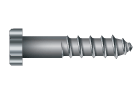
Some connections don’t get second chances. When you’re attaching a ledger board, hanging a beam, or mounting something that absolutely cannot move, the hardware choice matters a lot. This is where lag screws earn their reputation.
Lag screws aren’t delicate, fast, or forgiving. Install one the right way, though, and it holds like almost nothing else.
If you’ve ever asked what is a lag screw, or wondered why it’s different from everyday screws, then this guide is for you.
Introduction
Lag screws sit in a category of their own. They’re built for strength first and convenience second. You don’t casually toss one into a project. You choose it because the connection has to bear weight, resist movement, and stay put over time.
They’re commonly used in construction, outdoor structures, equipment mounting, and other applications where failure could cause damage or injury. This guide explains what lag screws are, where they work best, how to install them correctly, and why small mistakes can quietly ruin their holding ability.
What Is a Lag Screw, and Why Are They Sometimes Called Lag Bolts?
A lag screw is one of the most extremely sturdy fasteners you’ll find outside of through-bolted assemblies. It has a thick shaft, deep coarse threads, and a head designed for serious torque. Most have hexagonal heads so they can be tightened with a wrench or socket rather than a driver bit.
You’ll hear people say traditional lag bolts, but that’s technically wrong. Bolts pass through material and are secured with a nut. Lag screws thread directly into the material and stop there. The name stuck anyway, especially on job sites, so the terms still get mixed.
What sets lag screws apart is intent. They are meant to connect heavy lumber or anchor other heavy materials where lighter hardware simply won’t survive.
Most are made from steel and treated to resist corrosion. Zinc-coated versions work indoors. Hot-dipped galvanized and stainless options are preferred for outdoor use.
The Origins of Lag Screws
Lag screws didn’t come from convenience. They came from necessity.
Early builders needed a way to connect large timbers without drilling all the way through and installing nuts on the back side. Nails pulled out. Smaller screws snapped. The solution was a fastener with deep threads that could bite hard and stay put.
That basic idea hasn’t changed. Modern coatings and manufacturing improved consistency, but the purpose stayed the same. Lag screws are used to handle stress when movement, weight, and time all work against the joint.
What Are Lag Screws Used For?
Lag screws show up where load matters more than speed. They’re common in deck construction, pergolas, gazebos, and timber framing. You’ll see lag screws securing ledger boards, fastening beams to posts, and anchoring structural brackets. They’re also used to mount machinery, racks, and equipment in areas with vibration. The deep thread design helps maintain grip when things move.
With lag shields, they can even fasten into concrete or masonry, allowing them to secure other materials beyond wood. Because of their strength, lag screws are often used in structural applications when properly sized and installed in accordance with code or engineering guidance.
Different Types of Lag Screws
While the core design stays the same, there are variations worth knowing.
Hex Head Lag Screws
Hex head lag screws are the most common style. The hex head allows high torque without stripping and works with standard sockets. It’s ideal when you need controlled power and a solid seat.
Hex Flange Lag Screws
Hex flange lag screws are very similar to standard lags screws but with a head style that incorporates a built-in washer flange. This washer faces increases the bearing surface of the head and improves holding strength.
Acoustical Eye Lag Screws
Acoustical eye lag screws have the same thread as standard lag screws but with a very different head - the head is flattened with a hole in the center. Acoustical eye lag screws are used for suspending acoustic (or other) ceiling grids, hanging ductwork, signage etc from wood or steel joists.
Square Head Lag Screws
Square head versions are less common today. They still appear in restoration work or projects matching older construction styles. Functionally, they behave the same, but have different fasteners tools requirements.
Lag Screws vs Other Fasteners
Choosing hardware based on convenience instead of load, material, and installation method can lead to fastener loosening, stripped wood fibers, or outright failure.
Lag screws sit in a very specific category. They are heavy-duty fasteners designed for situations where weight, stress, and long-term holding power matter more than speed. To understand when they make sense, it helps to compare them directly to the alternatives people reach for most often.
Lag Screws vs Wood Screws
Wood screws are designed for lighter-duty work. They are smaller in diameter, usually self-drilling, and meant to be driven directly into material with a driver bit. That makes them fast and convenient for furniture, trim, and general carpentry.
Lag screws differ in almost every meaningful way. They are larger in diameter, have coarse threads, and are not self-drilling. A pre-drilled hole is required to avoid splitting the wood and to ensure proper installation. This extra step isn’t a drawback; it’s part of what makes lag screws strong.
Because their threads are designed to bite deeply into wood fibers, lag screws provide significantly higher pull-out resistance than standard wood screws. That makes them far better suited for heavy loads, especially when fastening into heavy lumber or framing members that carry weight.
Wood screws are great when speed matters, and loads are light. Lag screws are intended for situations where the connection needs to bear stress without backing out over time.
Lag Screws vs Carriage Bolt
Carriage bolts pass completely through two pieces of material and are secured with a nut on the opposite side. This creates a strong clamp, but it requires access to both sides of the connection. In many real-world builds, that access simply isn’t possible.
Lag screws, on the other hand, are driven into wood using a wrench or socket thanks to their hexagonal head. They don’t require a nut, which makes them ideal when you’re fastening ledger boards, mounting brackets, or securing beams where only one side is accessible.
Another key difference is installation behavior. Carriage bolts rely on the nut for clamping force. Lag screws rely on thread engagement and grip within the wood itself. When sized correctly and installed with a pilot hole and washers, lag screws can provide excellent holding power without crushing the surface material.
This distinction matters less about preference and more about geometry, access, and load path. Choosing the right option upfront saves time and avoids rework later.
How Lag Screws Work
Lag screws work by creating intense friction inside the material. As the screw tightens, the threads pull the two pieces together while pressing outward against the surrounding fibers.
That pressure creates resistance in two ways. First, it resists shear, which is a sideways force. Second, it resists pull-out, which prevents the connection from separating.
The pointed end or gimlet point helps the screw start cleanly. As the threads advance, the tapered design increases holding ability. This is why pilot holes are critical.
Why Lag Screws Fail in the Real World
Skipping the pilot hole can split the wood. Over-tightening can strip the threads inside the hole. Using the wrong length can prevent the screw from engaging enough material to do its job.
Corrosion is another quiet failure point. Using indoor-rated screws outside leads to rust that weakens the shaft long before anyone notices.
How to Install a Lag Screw
Installation matters as much as selection.
Step 1: Align and Clamp Materials Together
Clamp the two pieces firmly so they don’t shift. This keeps holes aligned and reduces stress during tightening.
Step 2: Drill Pilot Holes
Drill a pilot hole slightly smaller than the screw diameter. This allows the threads to cut cleanly without splitting the wood.
Step 3: Drill Countersink Hole
Countersinking allows the head to sit flush with the surface and prevents crushing of wood fibers.
Step 4: Tighten the Lag Screw
Use a socket, wrench, or impact driver carefully. Stop once the screw is snug. More power does not mean more strength. Using washers under the head helps distribute pressure and protect the surface.
Determining the Right Lag Screw Size
Size selection is about balance. Lag screws typically range from 1 inch to over 3 inches long, with diameters starting at 1/4 inch or larger. The screw should penetrate deep enough to grip securely without exiting the far side.
Thicker material and heavier loads require larger diameters. Longer isn’t always better if the surrounding material can’t support it.
Choosing the Right Lag Screw
Picking a lag screw is less about “what fits” and more about what will keep holding after weather, weight, and time take their swings at it. Use this quick checklist, and you’ll avoid the most common mistakes that lead to splitting, stripped holes, or a connection that loosens later.
-
Start with where it will be used, indoors or outdoors.
-
Match the screw to the load.
-
Pick the right diameter first, then choose length.
-
Plan your pilot hole before you buy anything.
-
Decide on the head style based on access and control.
-
Don’t skip washers, especially in wood.
-
Balance cost with risk.
The USDA Wood Handbook, updated in 2021, emphasizes that fastener selection directly affects structural longevity. The International Code Council Residential Code, 2024 edition, reinforces proper sizing for deck and ledger connections.
Putting It All Together: Using Lag Screws the Right Way
Lag screws reward patience. They require planning, drilling, and restraint during tightening. When treated correctly, they deliver unmatched holding power for wood connections.
Understanding how they grip, why pilot holes matter, and how corrosion affects strength helps you avoid silent failures down the line.
When you’re ready to source reliable options, Fastener Superstore offers a wide selection of screws backed by consistent quality and knowledgeable support. Choosing the right hardware once beats fixing it later every time.