

The Ultimate Guide to Washer Types: Which One Is Right for You?
March 19, 2026
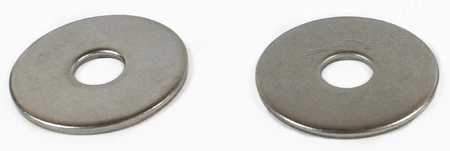
Washers are small, flat discs with a big job. They sit quietly between a screw head or bolt head and the surface below, yet they play a major role in how fastening systems hold up over time.
Skip the washer or choose the wrong one, and you invite surface damage, loosening, corrosion, or failure. Pick the right one and your assembly stays tight, aligned, and reliable.
This guide breaks down washer types, materials, and real-world use cases so you can choose confidently, whether you’re working on furniture, machinery, docks, vehicles, or industrial builds.
Introduction to Different Types of Washers
A washer is a thin plate with a center hole that fits over a threaded fastener. Its core job is load distribution. By spreading force across a wider area, washers protect surfaces and reduce stress on the fastening device. They also help prevent fastener loosening, improve proper alignment, and support long-term performance.
Washers appear everywhere. You’ll find them in furniture, vehicles, electronics, outdoor structures, and heavy equipment. They support bolts, screws, and nuts by improving contact with the mating surface. In many assemblies, washers aren't optional accessories but structural helpers.
Why Washers Matter
Leaving out a washer often works at first. Then the effects show up over time.
Without a washer, the tightening force is concentrated on a small area under the screw or bolt head. That pressure can dent wood, crack plastic, or deform thin sheet metal. Vibration makes things worse. Movement slowly works against the threads, and the fastening device begins to back out.
Outdoor and marine environments add another layer. Moisture creeps into gaps. Metal meets metal. Corrosion begins. Sealing washers and proper material pairing help stop that cycle before it starts.
Washers reduce these risks by stabilizing the connection and controlling how force transfers into the surface material. It’s simple physics with expensive consequences when ignored.
Washer Materials
Material choice affects strength, corrosion resistance, and flexibility. There’s no universal best option, only the right one for the job.
Metal Washers
These high-strength washers are critical in assemblies where maintaining clamp force matters. In industrial bolted joints, hardened washers help prevent preload loss caused by surface deformation after torque is applied.
-
Metal washers are the most common kind you'll see used in bolted joints.
-
Carbon steel washers offer strength and affordability.
-
Stainless steel washers resist corrosion and handle harsh weather.
-
Aluminum works well in lighter-duty or decorative applications.
You’ll often see carbon steel or galvanized steel used in structural builds, while automotive engineers may specify hardened or alloyed versions for safety-critical components.
Plastic Washers (Nylon Washers)
Plastic washers, especially nylon washers, are great for insulation or corrosion resistance. They don’t conduct electricity, won’t rust, and help protect softer surfaces from scuffs and pressure marks.
You’ll see them in electronics, panel builds, light-duty assemblies, and anywhere you want to avoid metal-on-metal contact. Plastic or nylon washers aren’t meant for high axial loads or high-heat environments, but plastic washers work really well for spacing, reducing friction, and isolating dissimilar materials that could corrode when they come into contact.
Rubber-Bonded Sealing Washers
Rubber-bonded sealing washers have a stainless steel base with a built-in rubber seal, giving you strength, reduced chance of loosening due to vibrations, and a leak-proof seal. They’re commonly used in plumbing, outdoor fixtures, metal roofing, siding, and truss systems to create a watertight seal while cushioning fragile materials. When the screw is tightened, the rubber seals against the screw shank and the hard surface to prevent air and water leaks.
Main Types of Washers
Now that the materials are out of the way, it helps to look at washer types by their shape and what they’re designed to do. Knowing these differences makes it much easier to pick the right washer for the job instead of guessing and hoping it holds.
Standard Flat Washers
Plain washers, often called flat washers, are flat discs with a central hole. They’re the most widely used washer type and handle basic load distribution. These washers protect surfaces and reduce wear under tightening.
Standard washers include SAE washers, USS washers, and Machine Screw washers . SAE washers are smaller and tighter-fitting. USS washers are larger and spread the force over a wider area. Machine Screw washers have slightly different outside diameters and are best for specific fastener applications, such as light machinery, electronics, and sheet metal applications. Choosing the right flat washer size matters more than many people realize.
Fender Washers
Fender washers have a much larger outer edge compared to their center hole. This allows them to distribute the load over a wider area, making them ideal for thin materials.
They’re commonly used in sheet metal, plastic panels, and automotive fenders where surface support matters more than clamp force.
Dock Washers
Dock washers are built for tough outdoor conditions. They’re thicker, heavier, and often made from corrosion-resistant materials. Their added mass helps manage load and movement in dock, marine, and coastal applications.
What sets them apart is not just the environment, but also the function. They resist pull-through and deformation when securing large boards or structural members that are constantly exposed to moisture and movement.
Lock Washers
Lock washers focus on mechanical resistance. Tooth lock washers bite into the mating surface to create friction. Split styles apply a spring force. Wedge lock washer designs use paired cams to resist rotation.
These washers rely on washer bite and geometry to counter fastener loosening, often working alongside a k-lock nut or similar locking mechanism.
Countersunk Finishing Washers
Countersunk finishing washers support angled or countersunk fasteners, creating a smooth, flush surface once installed. They’re commonly used in woodworking, furniture assembly, and decorative projects where a clean finish matters. By spreading the load and keeping fastener heads level, these washers help prevent damage to the material and give your project a polished, professional look.
Corrosion Resistance Starts at the Washer
One of the most overlooked issues in fastening systems is material pairing. Mixing dissimilar metals can create galvanic corrosion, even when the bolt itself looks fine. The American Galvanizers Association explains how this happens when dissimilar metals are in contact, with moisture acting as the “bridge” that speeds up corrosion.
For example, pairing stainless fasteners with untreated carbon steel washers can cause accelerated corrosion at the inner and outer edges of the washers. Moisture acts as the catalyst.
The takeaway is simple. Match the washer material to the fastener and environment. It’s cheaper than repairs.
How to Choose the Right Washer for Your Project
Start with the environment. Will it be exposed to moisture, heat, vibration, or chemicals?
Next, consider load. Heavy axial load demands hardened or thick washers. Lightweight assemblies can use standard washers or plastic alternatives.
Check compatibility. Match metals where possible. Avoid mixing without a reason.
Think about the function. Do you need sealing, electrical insulation, or vibration damping?
Finally, consider availability and cost. Buying bulk washers often reduces cost and ensures consistency across builds.
When in doubt, think about how force moves through the joint. Good load distribution and proper alignment matter more than washer price.
Tips for Using Washers Effectively
Place washers directly against the surface material unless the design specifies otherwise. Ensure the washer sits flat on a smooth surface.
Follow torque guidelines. Over-tightening can deform washers and damage threads, especially with softer materials.
Combining washer types can work in specific designs, but it should be intentional and documented, not improvised.
Use the right fasteners tools to ensure consistent installation and avoid uneven clamp force.
Final Thoughts: Choosing Washers With Confidence
Washers may be small, but they carry serious responsibility. From protecting surfaces to maintaining clamp force, washers support the performance of every threaded fastener in an assembly.
Choosing the right washer means thinking beyond fit. Load, environment, material pairing, and function all matter. When those pieces line up, your connections last longer and perform better.
If you’re sourcing washers for any application, Fastener Superstore offers a wide selection of quality options and knowledgeable support to help you choose with confidence. Whether you need standard pieces or bulk washers for large projects, this is one place where the right washer is never an afterthought.